Aluminium Sheet 5251

Manufacturers across Europe and global export markets are increasingly evaluating Aluminium Sheet 5251 for applications where corrosion resistance, consistent forming, and reliable surface quality are critical, according to procurement managers and materials specialists interviewed this week. The shift comes as OEMs in transportation, marine-adjacent supply chains, and general fabrication reassess material choices amid tighter durability requirements and elevated scrutiny on lifecycle cost.
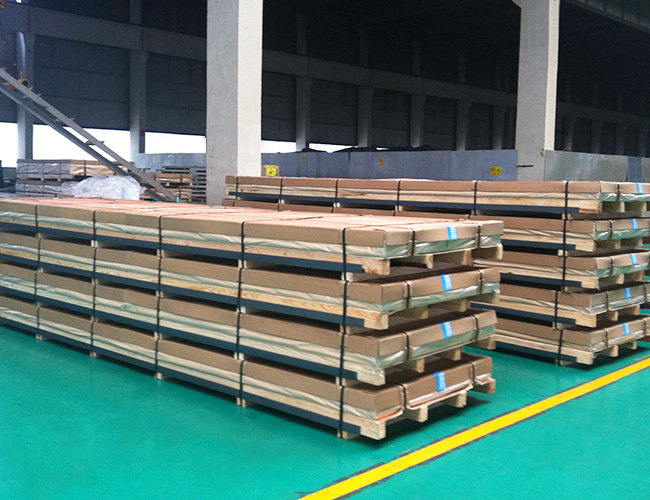
Why Aluminium Sheet 5251 is being reconsidered now
Industry sources point to a familiar but newly urgent set of priorities: longer service life in aggressive environments, fewer coating-related failures, and stable performance in thin-gauge sheet metal parts. Aluminium Sheet 5251-often referenced by its European designation EN AW-5251-is a non-heat-treatable aluminium-magnesium alloy commonly selected for its balance of strength, ductility, and corrosion resistance.
A purchasing lead at a mid-sized fabrication group in Northern Europe said customers are "less tolerant of early corrosion on coastal installations and outdoor housings," adding that material selection is being reviewed earlier in design cycles to reduce rework.
While pricing is still a key factor, engineers increasingly weigh the "total installed cost," including forming yield, scrap rates, finishing steps, and expected maintenance intervals.
Performance profile: corrosion resistance and formability in focus
Materials engineers note that 5xxx series aluminium alloys, which include 5251, are widely recognized for good resistance to seawater and industrial atmospheres compared with many general-purpose alternatives.
"5251 sits in a useful window for fabricators: it typically offers good bendability and forming behavior while delivering a robust corrosion-resistance baseline," said a (simulated) metallurgy consultant supporting automotive and enclosure projects. "For many brackets, panels, and housings, it reduces the need to over-engineer thickness just to address corrosion concerns."
Typical use cases expanding beyond legacy sectors
Historically associated with sheet metal work, cabinetry, and marine-related fabrication, Aluminium Sheet 5251 is now being assessed for a broader set of parts where lightweighting and surface performance matter, including:
Vehicle interior and exterior components (non-structural panels)
Electrical enclosures and outdoor cabinets
HVAC and ventilation covers
General fabrication for coastal or high-humidity environments
Architectural trim and formed profiles
Several buyers also mentioned that customers are asking for clearer documentation on alloy selection and compliance, including material traceability, mechanical properties by temper, and finishing compatibility.
Supply chain signals: steadier specifications and more temper discussions
Market participants say a growing share of requests for quotation include more precise temper and surface requirements than in previous years. In particular, common tempers such as H22 and H24 are frequently discussed for their balance of strength and workability in sheet production.
"Instead of simply ordering 'aluminium sheet,' buyers are now specifying alloy, temper, thickness tolerances, and surface finish upfront," said a (simulated) sales director at a European metals service center. "That's pushing distributors to stock more tailored grades and reduce ambiguity in substitutions."
Analysts also point to broader trends influencing ordering behavior:
Greater emphasis on consistent forming behavior for automated bending and stamping
Increased attention to surface appearance for consumer-facing enclosures
Demand for documentation to support regulated or audited supply chains
How 5251 compares to commonly stocked sheet alloys
Although project requirements vary, engineers often evaluate 5251 alongside other widely used sheet alloys such as 3003 and 6061.
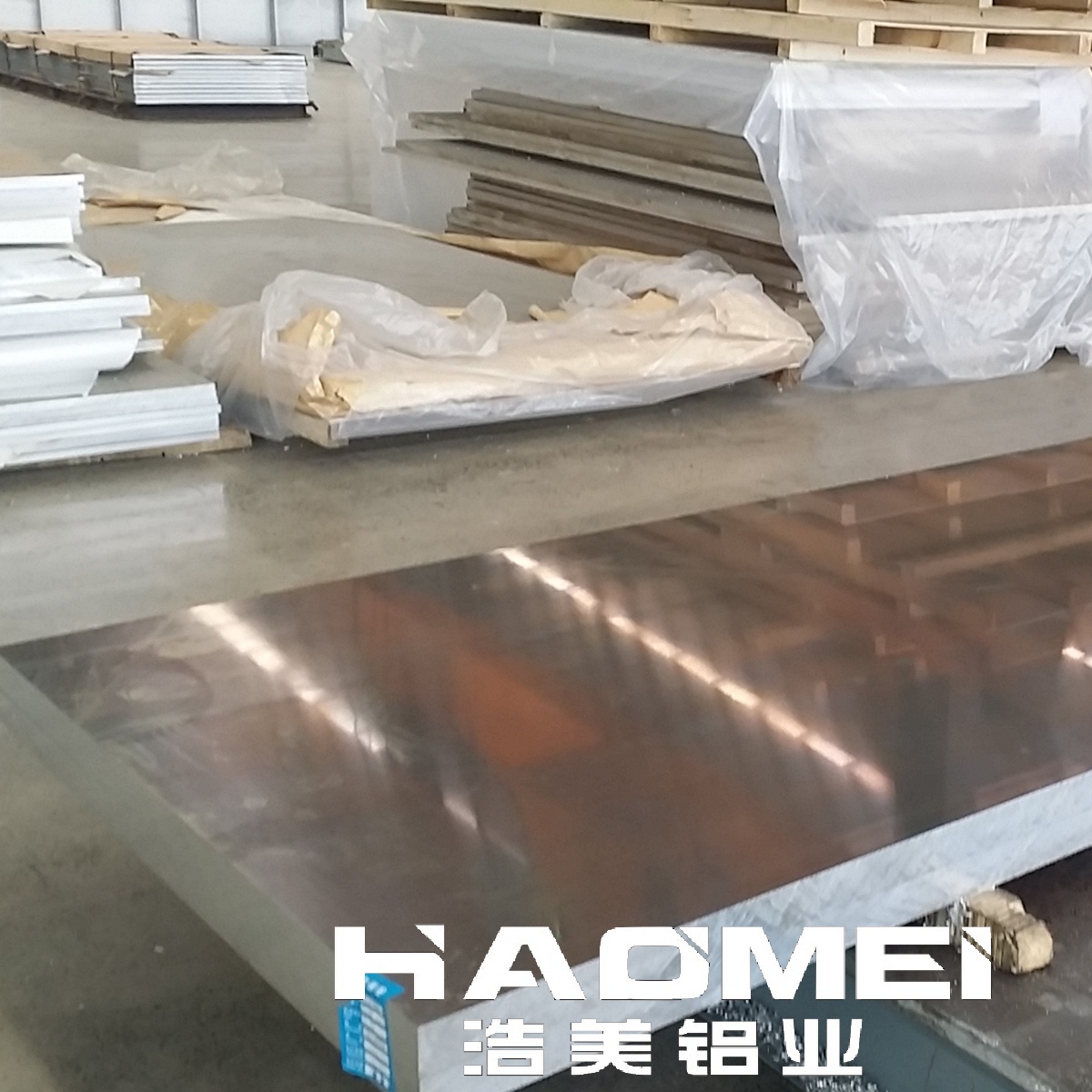
5251 vs 3003: corrosion and strength trade-offs
3003 aluminium is often selected for excellent workability and cost efficiency in general sheet applications. However, some fabricators report that 5251's magnesium content can provide a more compelling option where corrosion resistance and a step-up in strength are needed-particularly for outdoor or marine-adjacent installations.
5251 vs 6061: different design intents
6061 is frequently used when higher strength and heat-treatable performance are required, especially in structural components and machined parts. In contrast, 5251 is commonly chosen for sheet forming and corrosion-prone environments where weldability and bend performance may be prioritized over maximum tensile strength.
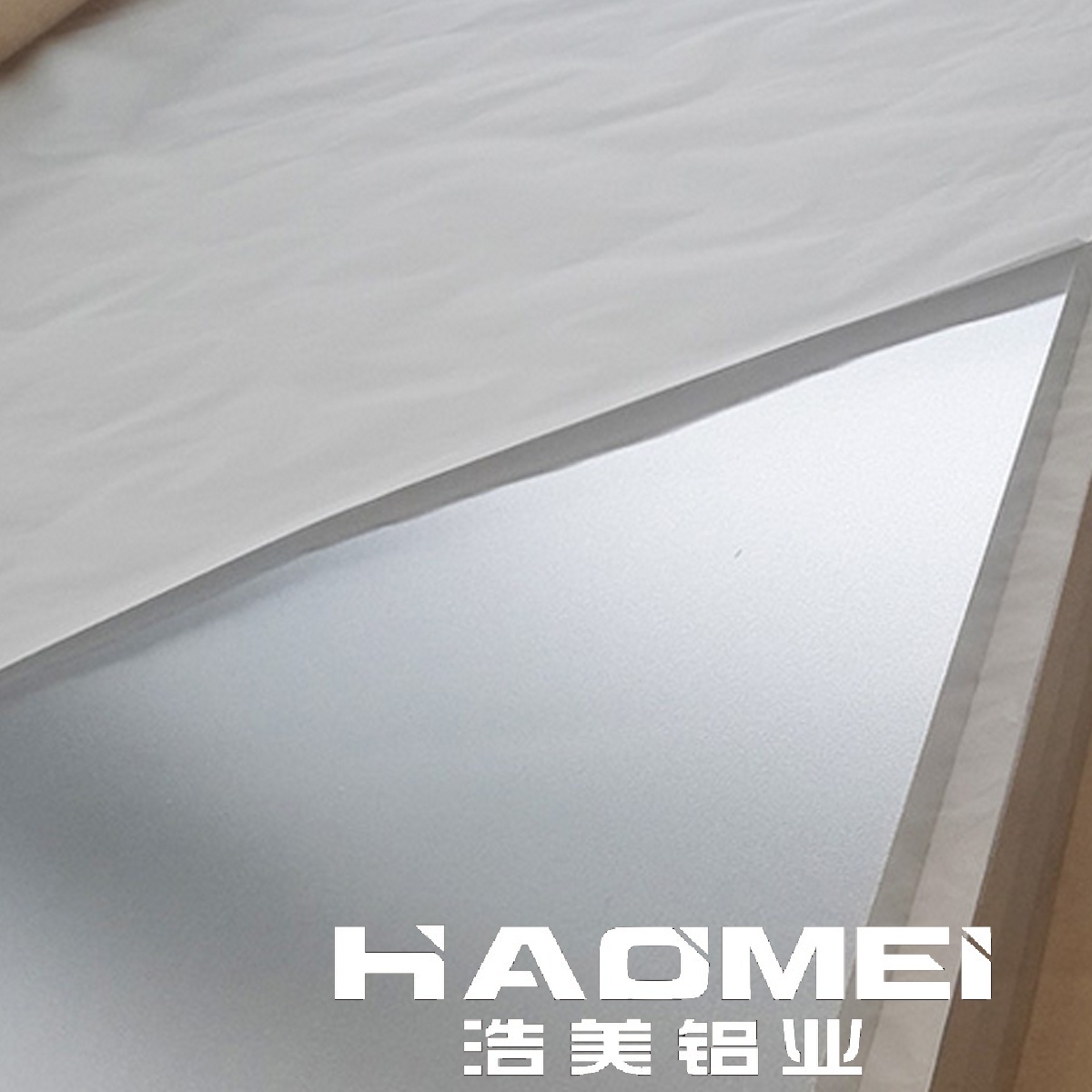
What this means for manufacturers in 2026 planning cycles
Procurement teams and design engineers say the renewed interest in Aluminium Sheet 5251 is less about a sudden breakthrough and more about tighter specifications and a "right material, right process" approach.
Three implications are emerging:
Earlier material selection in design: OEMs want to lock alloy and temper before prototyping to reduce qualification delays.
More emphasis on forming trials: Fabricators are conducting bend radius and stamping evaluations to standardize settings for repeat orders.
Documentation and QA pressure: Buyers increasingly request mill test certificates, traceability, and consistent surface finish metrics.
A (simulated) market note from an industrial materials analyst estimates that demand for corrosion-resistant sheet products could see "steady, single-digit growth" in several European segments, supported by infrastructure maintenance and electrification-related enclosure demand.
Conclusion: a practical alloy choice gaining strategic visibility
For many manufacturers, Aluminium Sheet 5251 is emerging as a pragmatic answer to a familiar challenge: deliver durable, lightweight parts without adding unnecessary processing complexity. As buyers ask for clearer temper specifications, better traceability, and improved performance in harsh environments, 5251 is receiving renewed attention as a corrosion-resistant, formable sheet option that fits modern production needs.
Meta description (150-160 characters): Aluminium Sheet 5251 demand is rising as manufacturers prioritize corrosion resistance and formability for transport, marine, and enclosures, analysts say.


