Aluminium Plate 7075

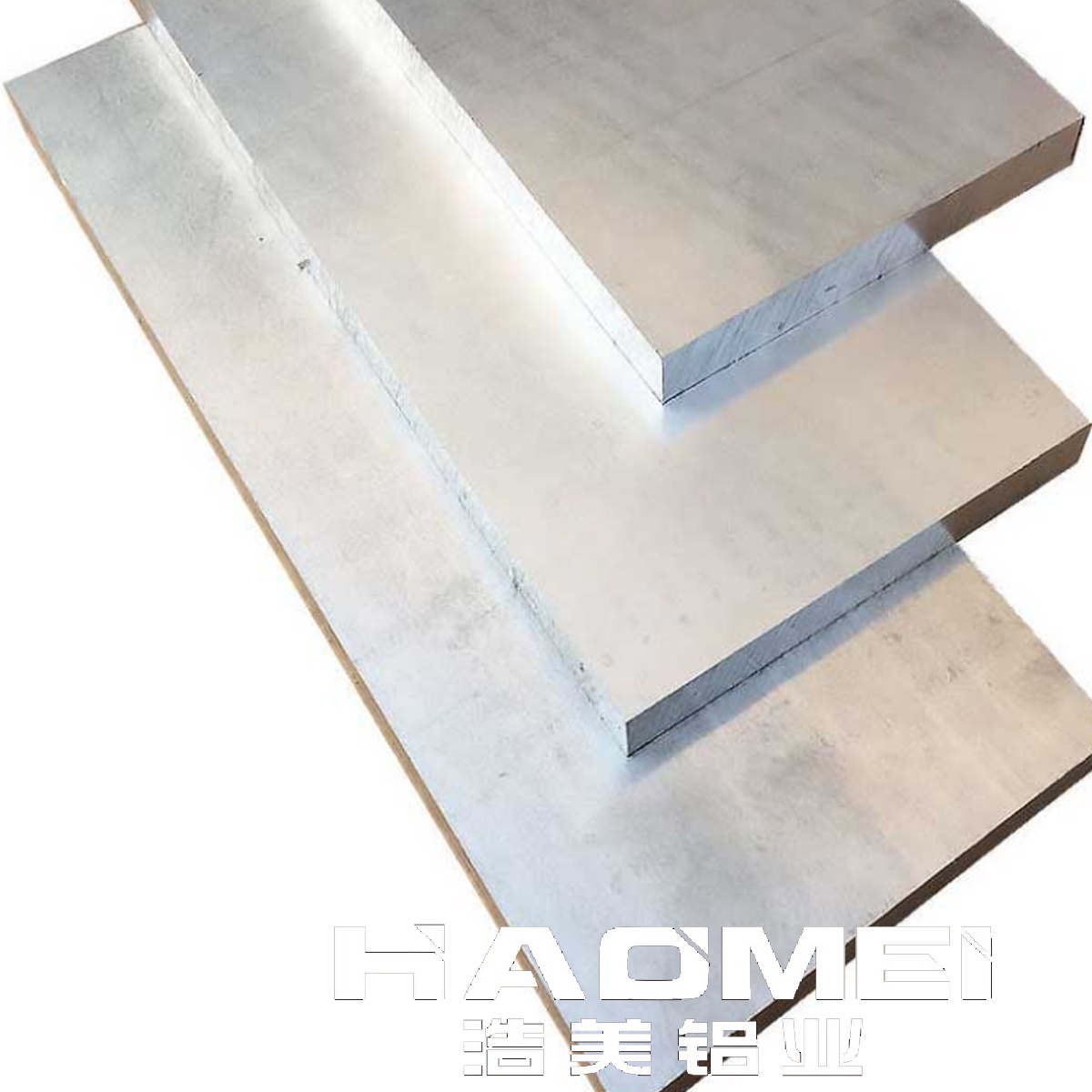
Global buyers are increasing orders for Aluminium Plate 7075 in early 2026 as aerospace, defense, and high-performance mobility programs accelerate production schedules and prioritize weight reduction without sacrificing structural integrity. Procurement teams in North America, Europe, and parts of Asia report tighter lead times for thicker gauges and certified tempers, reflecting renewed competition for premium high-strength aluminum plate.
Whats driving demand now
Industry sources point to a mix of program ramp-ups and inventory normalization after several quarters of uneven ordering. While commodity aluminum markets remain sensitive to energy costs and macroeconomic signals, demand for heat-treatable, high-strength alloys is being supported by applications where performance requirements outweigh price volatility.
7075 is often treated as a strategic material in aerospace structures because it delivers a high strength-to-weight profile thats difficult to replace without redesign, said a materials engineer at a European aerospace supply chain consortium, speaking on condition of anonymity due to supplier negotiations. When programs move from prototyping into sustained production, plate availability becomes a scheduling issuenot just a cost line.
Why Aluminium Plate 7075 remains a go-to specification
Aluminium Plate 7075 (commonly supplied in tempers such as T6 and T651) is valued for high tensile strength and good fatigue performance, making it suitable for load-bearing parts. Compared with more general-purpose grades, 7075 is frequently selected for:
- Aircraft structural components and fittings
- Defense platforms and high-stress brackets
- Precision machined parts made via CNC milling
- Tooling and molds requiring stability and strength
However, engineers also note trade-offs. The alloys corrosion behavior can require protective measures such as cladding, anodizing, or coatings in certain environments, and weldability is generally considered limited compared with other aluminum series.
Supply chain signals: certification, thickness, and tolerances
Distributors and service centers say the most active inquiries focus on certified documentation and dimensional control, including:
- Mill test reports (MTRs) and traceability
- Ultrasonic testing (UT) for internal soundness on thicker plate
- Flatness requirements and residual stress control (often a reason buyers specify stress-relieved tempers)
- Tight thickness tolerance for machining efficiency
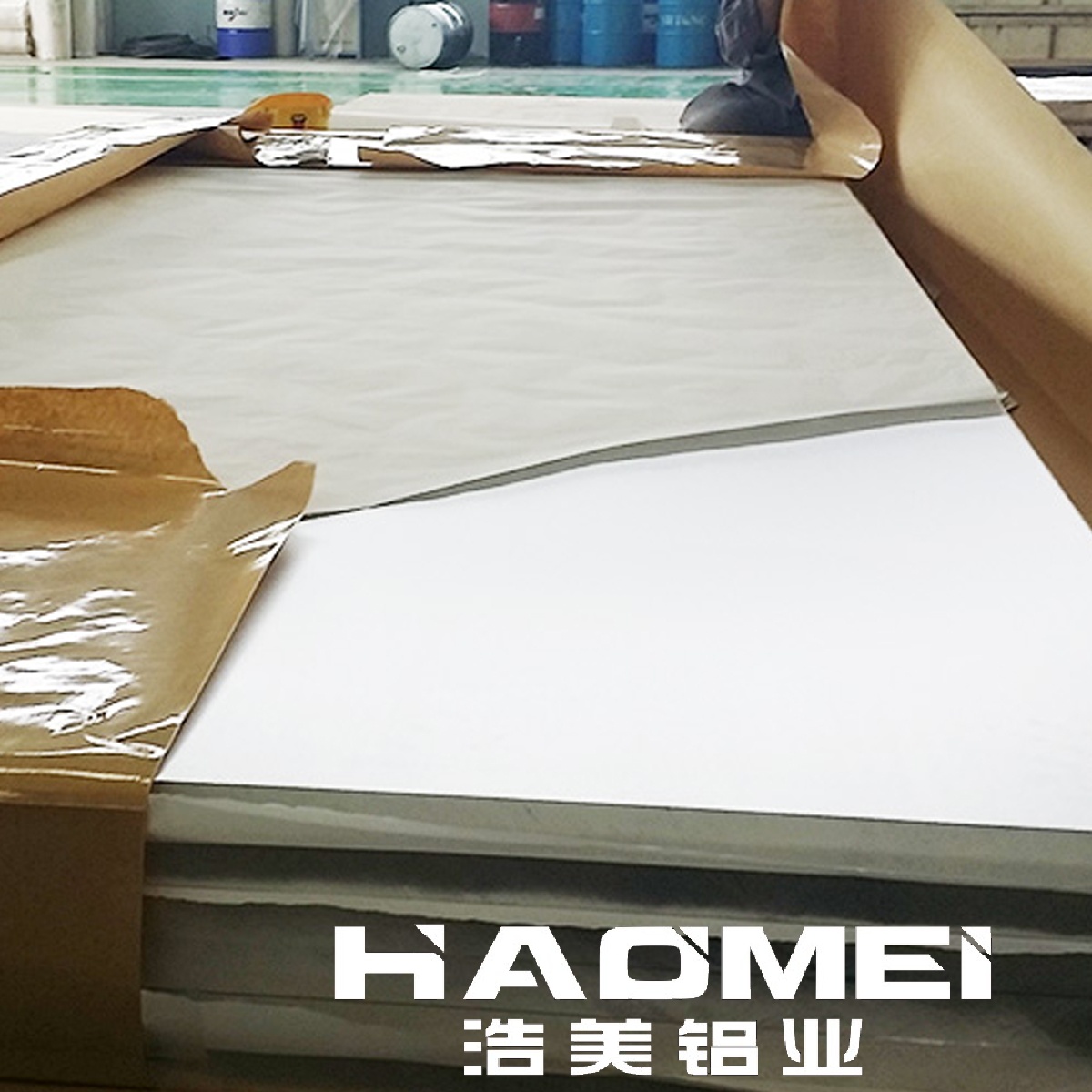
A North American metals service center executive said demand is especially firm for plate intended for subtractive manufacturing, where flatness and stress relief can reduce scrap and rework.
Data insight: where ordering pressure is concentrating
While verified market-wide statistics vary by region, several buyers report that lead times tend to extend as thickness increases, particularly for projects requiring additional inspection steps. Industry procurement teams also highlight a recent rise in requests for multi-year supply agreements, signaling efforts to stabilize availability for long-cycle aerospace programs.
Competitive context: 7075 vs. alternatives
Design teams continue to evaluate substitutessuch as 6061 for cost-sensitive structures or certain titanium and composite solutions for extreme performanceyet 7075 remains difficult to displace when designs depend on its specific balance of strength and machinability.
One manufacturing consultant noted that while 6061 is often favored for corrosion resistance and weldability, it typically does not match 7075s peak strength in comparable plate forms. In high-load assemblies, that gap can translate into thicker sections or additional reinforcementchanges that may add weight and complicate qualification.
Implications for 2026: pricing, qualification, and risk management
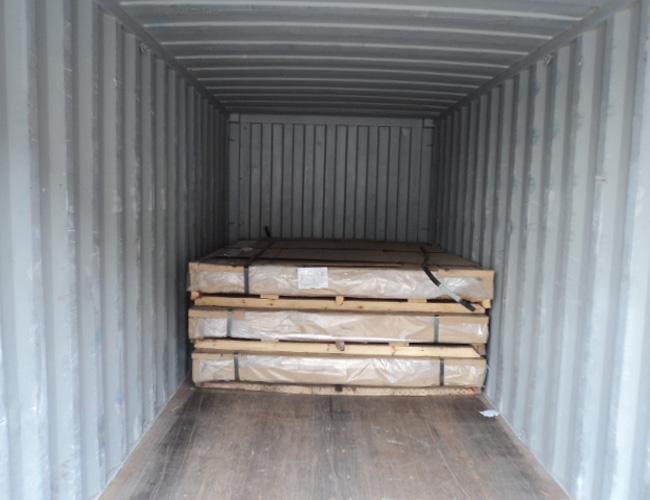
Analysts expect continued interest in high-strength aluminum alloys as aerospace backlogs persist and defense modernization budgets remain active in multiple regions. For buyers, the key risk is not only price movement but also the possibility of bottlenecks tied to certification, specialty testing, and rolling schedules.
Procurement specialists increasingly recommend three practical steps:
- Lock specifications early (temper, tolerance, testing requirements) to avoid late-stage substitutions.
- Qualify multiple sources where possible, including approved mills and processing partners.
- Plan for finishing needs (surface protection, anodizing compatibility) during the design phase, not after machining.
Outlook: a material with strategic staying power
With high-performance manufacturing returning to more predictable production rhythms, Aluminium Plate 7075 is poised to remain a priority material for programs where strength-to-weight ratio and machining outcomes are mission-critical. The near-term story is less about a single breakthrough and more about disciplined supply planningensuring certified plate is available when production schedules demand it.
Conclusion
As aerospace and defense manufacturers push for lighter structures and higher throughput, the market for certified high-strength plate is tightening in key categories. For many engineers and buyers, Aluminium Plate 7075 remains a practical benchmarkprovided specifications, testing, and lead-time planning are addressed early to reduce schedule risk.
Meta description (150160 chars): Aluminium Plate 7075 demand is rising in 2026 as aerospace and defense ramp output. Learn key specs, supply constraints, and buyer outlook.


