Aluminium Plate Boats For Sale Australia
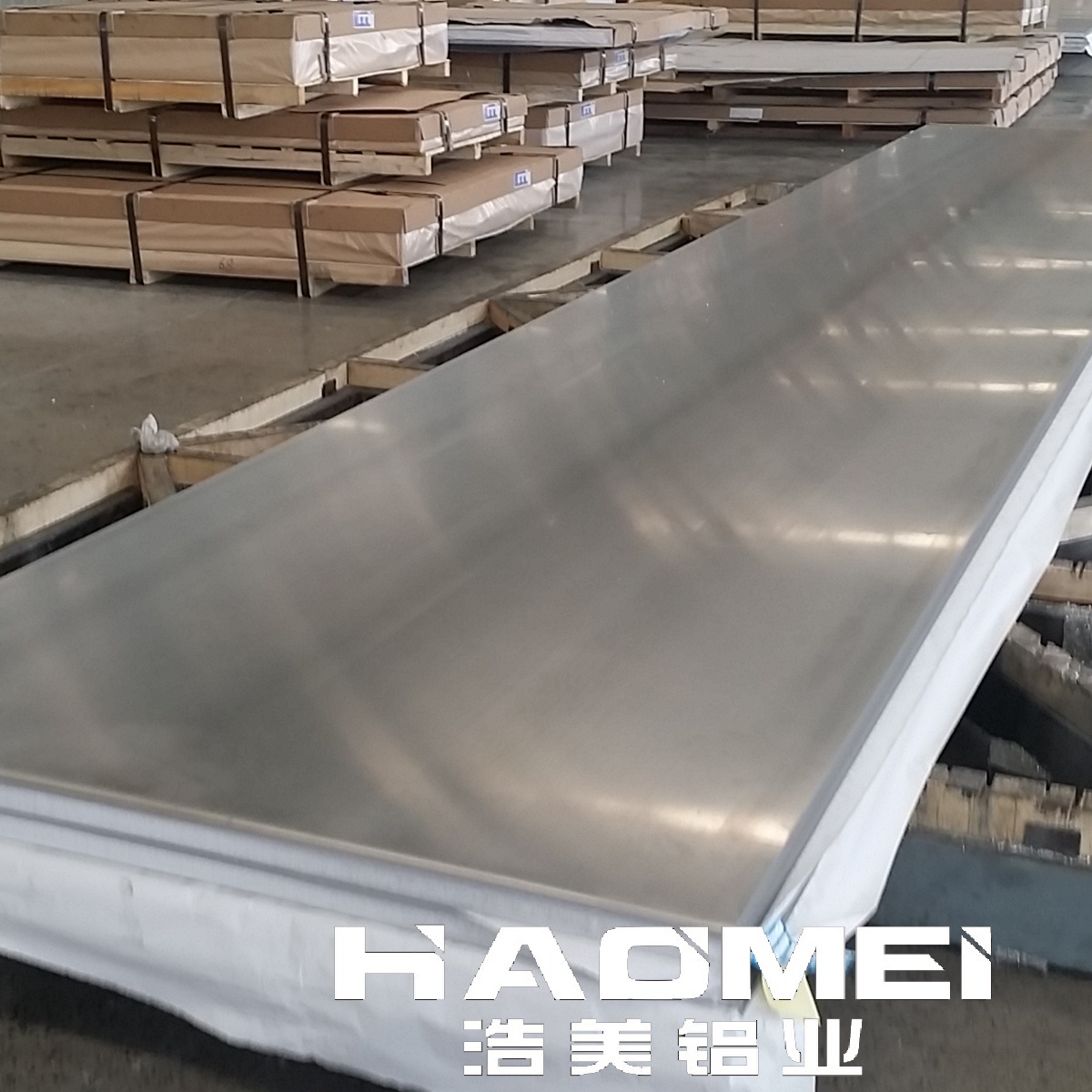
If youre searching Aluminium Plate Boats For Sale Australia, the performance of the boat starts with the material: marine-grade aluminium plate engineered for strength, corrosion resistance, and long service life in saltwater. Whether youre building a new hull, upgrading a commercial workboat, or repairing a plate boat, choosing the right alloy and temper directly impacts weldability, fatigue life, and overall safety.
Key Parameters (Recommended Specs for Plate Boats)
Below are practical, commonly requested specifications for aluminium plate boats and marine fabrication.
1) Suggested Alloys
- 5083 (H116/H321): The go-to marine grade aluminium plate for hulls and structural components due to excellent seawater corrosion resistance and good strength.
- 6061 (T6): Strong, highly machinableoften used for frames, brackets, rails, consoles, and CNC parts. Not typically preferred for continuous hull plating in harsh marine exposure compared with 5083.
2) Thickness Range (Typical Boat-Build Use)
- Hull sides: ~3mm6mm
- Bottom plating: ~4mm10mm (depending on boat size and intended load/impact conditions)
- Decks / floors: ~3mm5mm
- Internal structure (girders, bulkheads, transom plates): ~4mm12mm+
If you share boat length, intended use (offshore/inshore), and load profile, you can match thickness to your build standard.
3) Plate Size Options (Common)
- Standard sheets: 12202440mm, 15003000mm, 20006000mm
- Custom cutting available: CNC / saw cut / shearing (depending on service)
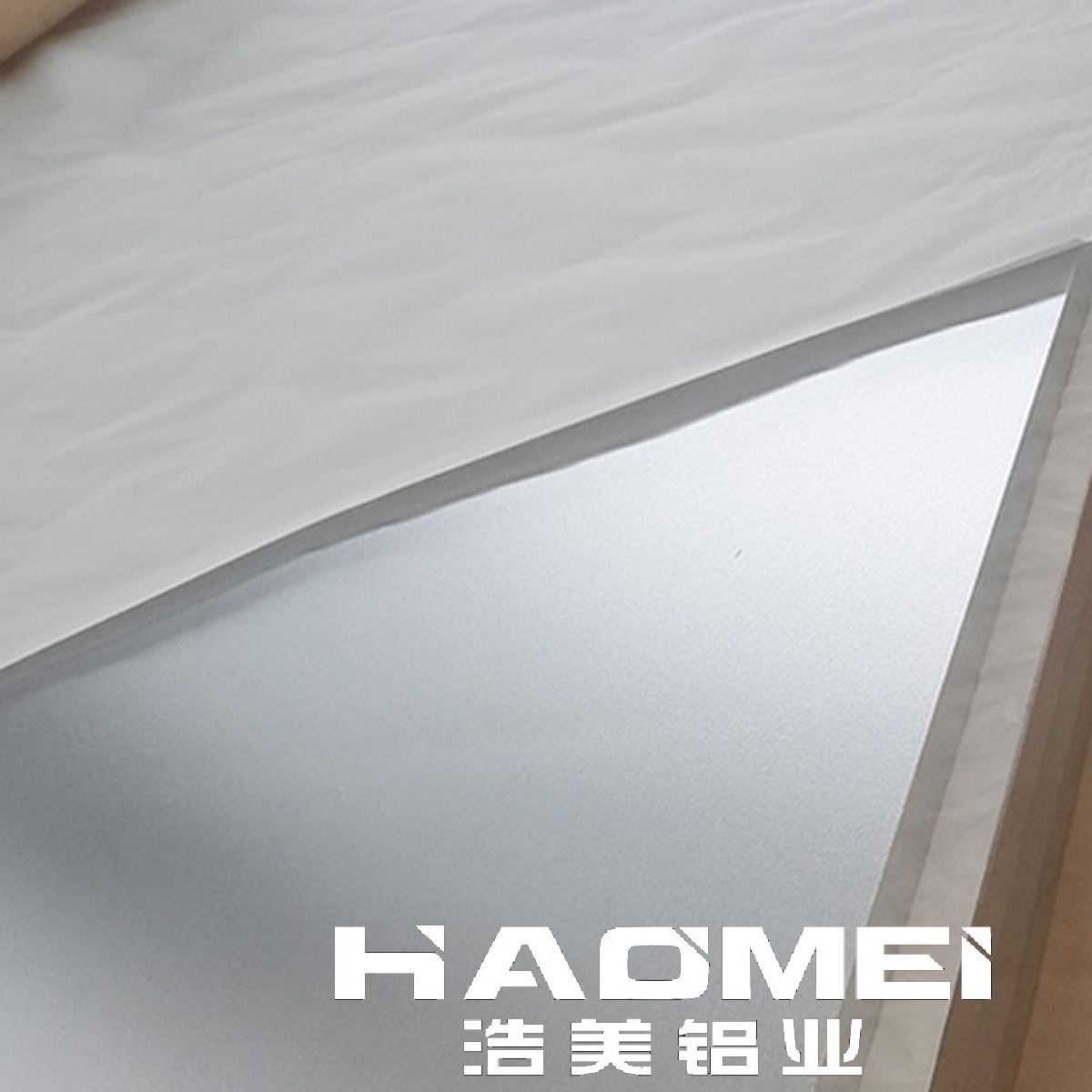
4) Surface & Quality Requirements
- Protective film (optional)
- Mill test certificates (MTC) available upon request
- Flatness control suited for fabrication and welding
Purpose: What Aluminium Plate Is Used for in Plate Boats?
Marine-grade aluminium plate is widely used across:
- Hull plating (bottom & sides) for impact resistance and durability
- Transoms & pod structures for strength where engines and loads concentrate
- Decking and floors for lightweight rigidity
- Bulkheads, stringers, ribs for structural integrity
- Cabins, hardtops, consoles where clean fabrication and corrosion resistance matter
- Repair sections to restore hull integrity while keeping weight low
In short: plate selection determines how well the boat handles saltwater corrosion, pounding, vibration, and weld stress over time.
Packaging (Safe Delivery Across Australia)
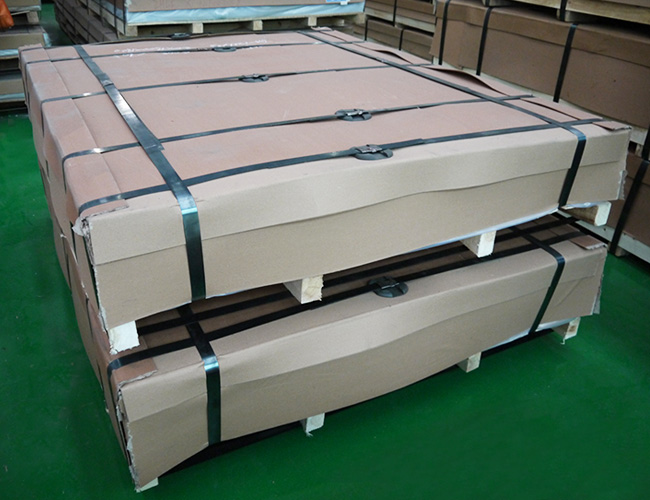
To protect plates in transit and ensure they arrive ready for fabrication, packaging typically includes:
- Moisture-resistant wrapping and surface protection
- Corner guards to prevent edge damage
- Strong wooden pallets/crates suitable for forklift handling
- Strapping to prevent shifting during transport
- Optional: extra protective film for cosmetic surfaces
Advantages: Why Marine-Grade Aluminium Plate Wins for Plate Boats
1) Excellent Corrosion Resistance (Saltwater Ready)
Alloys like 5083 are designed for marine exposure, reducing the risk of pitting and corrosion-related structural degradation.
2) High Strength-to-Weight Ratio
Lightweight hulls can improve:
- fuel efficiency
- speed and planing performance
- towing and launching convenience
3) Welding-Friendly for Fabrication & Repairs
Marine plate is commonly specified for reliable welding performancecritical for hull seams, stringers, and structural members.
4) Toughness for Offshore & Workboat Conditions
Aluminium plate boats are known for handling impact, chop, and repeated load cycles better than many thin-gauge alternatives.
5) Flexible Supply Options
You can source plate in multiple thicknesses and sizes, with optional cutting services to reduce workshop time and material waste.
FAQ (Aluminium Plate Boats Australia)
Q1: What is the best aluminium plate alloy for a boat hull?
5083 (H116/H321) is widely regarded as the best choice for hull plating due to its marine corrosion resistance and strong performance in welded structures.
Q2: Can 6061 aluminium plate be used on boats?
Yes. 6061-T6 is commonly used for structural parts, brackets, rails, and machined components. For primary hull plating in saltwater, 5083 is typically preferred.
Q3: What thickness aluminium plate do I need for a plate boat?
It depends on boat length, design, and use:
- Small inshore boats may use 35mm sides and 46mm bottoms.
- Offshore or commercial builds often require thicker bottoms (610mm+) and reinforced structure.
Q4: Do you supply cut-to-size aluminium plate for boat builders?
Commonly yescustom cutting reduces waste and speeds fabrication. Provide your cut list (alloy, temper, thickness, sizes, quantity).
Q5: How is aluminium plate packaged for safe delivery?
Plates are typically wrapped, edge-protected, and strapped on pallets/crates to prevent scratching, bending, or edge damage during transport.
Q6: Will the plate come with certification?
Many suppliers can provide Mill Test Certificates (MTC) on requestimportant for commercial, government, or compliance-focused builds.
Ready to Build or Refit Your Aluminium Plate Boat?
For Aluminium Plate Boats For Sale Australia projectsnew builds, repairs, or upgradeschoose 5083 marine-grade aluminium plate for hull performance and long-term durability. Send your required alloy, thickness, sheet size, and delivery postcode to get a fast quote and lead time.


